The Vogue Threshold: What Happened When AI Entered the World's Most Important Magazine
"In August 2025, Guess ran the first AI-generated model advertisement inside American Vogue. 2.7 million TikTok views later, the backlash had arrived. The lesson was not about AI — it was about identity, disclosure, and the difference between a campaign face and a campaign asset."
On July 28, 2025, a TikTok post pointed out something most readers had missed inside Vogue's August issue: a Guess advertisement featured a model that did not exist. The video accumulated 2.7 million views. Calls for boycotts against both Guess and Vogue followed within 48 hours. The synthetic image era had crossed its most visible threshold yet. The question worth asking — seriously, not as outrage management — is what that threshold actually represents.
What Happened
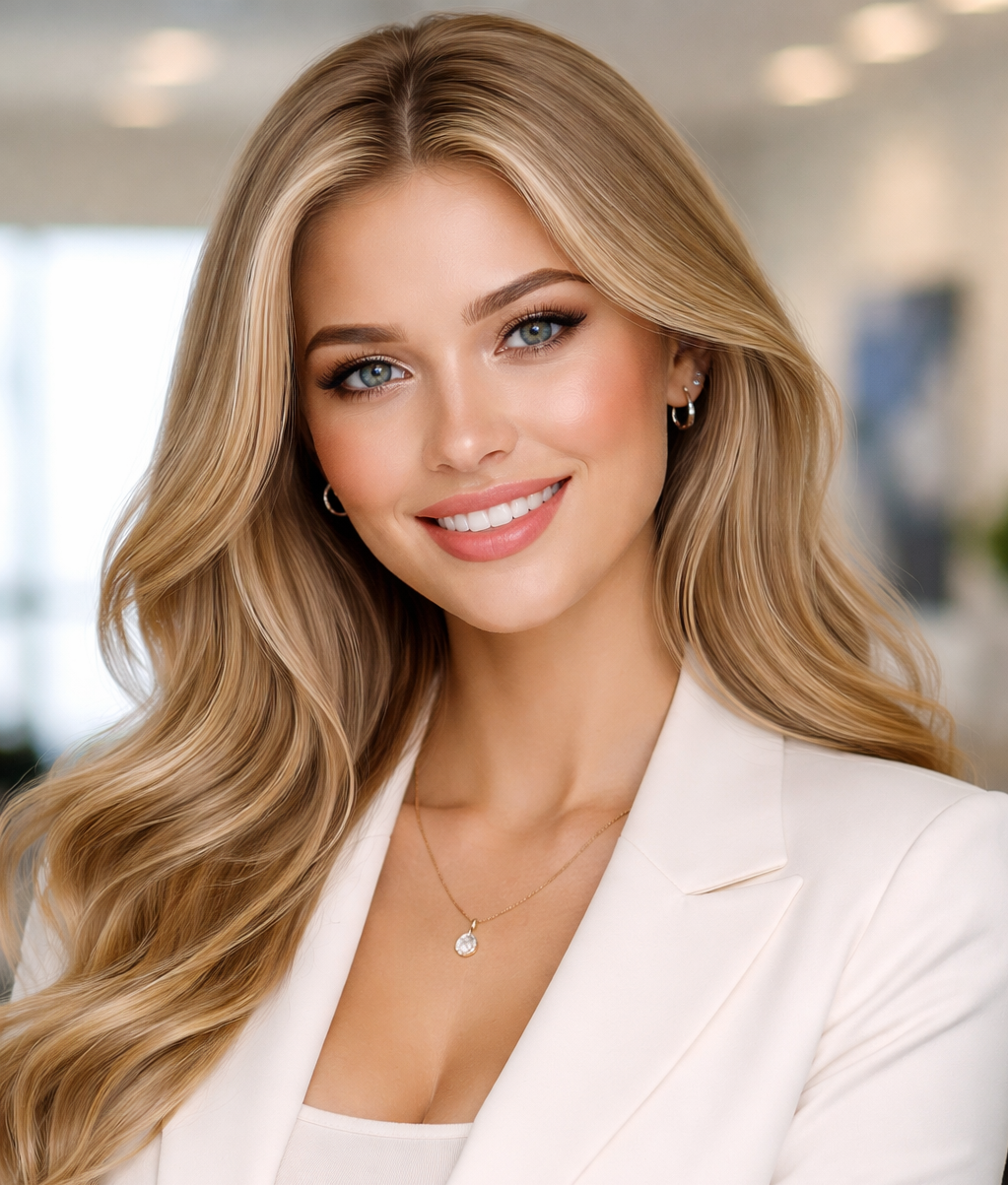
The campaign was produced by Seraphinne Vallora, a London-based agency co-founded by Valentina Gonzalez and Andreea Petrescu — originally a jewelry label that pivoted into AI-led marketing services. Guess co-founder Paul Marciano commissioned them directly. The result was two AI-generated models: a blonde identity named Vivienne and a brunette identity named Anastasia. Both appeared in the August 2025 issue of American Vogue, and additionally in Elle, Harper's Bazaar, and The Wall Street Journal. In fine print on the page, the advertisement disclosed that the models were AI-generated.
The Editorial / Advertising Distinction
The most important statement in the aftermath did not come from Guess or from Seraphinne Vallora. It came from Condé Nast. A spokesperson confirmed to CNN that an AI model has never appeared editorially in Vogue — only in paid advertising. The distinction is not legal. It is editorial — and it is the most significant line drawn in the public record of the synthetic model era so far. What it establishes: the editorial tier of the world's most powerful fashion authority has not yet granted synthetic models the same standing as human ones. The advertising tier has. This is a structural position, not a temporary one — and it reflects precisely how editorial authority is governed, and how it can eventually be changed.
The backlash was not about AI. It was about the absence of named identity, the absence of editorial context, and the presence of fine print where confidence should have been. The audience's instinct — that something was wrong — was correct. It was responding to the execution, not the category.
What the Backlash Was Actually About
The TikTok comments that accumulated 67,700 likes were not arguing against synthetic models in principle. They were responding to a specific failure: the models had no names that meant anything, no editorial record, no presence outside the advertisement. They were faces deployed without architecture — and the audience, which processes identity intuitively, registered the absence as deception. Seraphinne Vallora employed a real model for a week of studio photography to inform how the AI imagery should look — technically sophisticated, commercially functional — but still a face in a brief, not an identity in a system. The audience sensed the difference without being able to name it.
Where Ethereal Positions
The Guess campaign crossed the threshold into Vogue's advertising pages. What it could not do — and what Seraphinne Vallora's model was not built to do — is cross the editorial threshold. The editorial tier requires not just photorealistic quality, but named identity, campaign history, editorial record, and managed presence that makes a face recognizable as something beyond its latest appearance. Ethereal's model identities carry all of this. The disclosure is not in fine print. It is in the masthead colophon, because we are confident enough in the quality of the work to disclose it where the most authoritative editorial voice in the room is printed. When the editorial pages of the major publications open to synthetic identities — and they will — the names admitted will be those that already operate at editorial standard.
Sources
- CNN — "AI models in Vogue: Your favorite model may not be real thanks to AI" (July 31, 2025)
- USA Today — "'AI models in Vogue?' Guess ad sparks uproar" (July 28, 2025)
- ABC News — "Controversy stirs over AI-generated models in Guess ads"
Ethereal Journal — Industry Intelligence. © EtherealCasting.com
The next step should be private mandate review.
If this article reflects how your brand thinks about campaign control, casting precision, and production speed, the next move is not more reading. It is a private brief with Ethereal.
"These analyses are written to help our partners interpret where luxury casting, synthetic production, and digital campaign control are moving next."
Related Intelligence
Keep building context before the brief, but stay inside the topics that support roster, campaign, and synthetic-production decisions.
Zalando: 90%. The Cost Structure Has Changed.
In Q4 2024, 70% of Zalando's editorial imagery was AI-generated. Campaign production costs fell by 90%. This is not a cost story. It is a structural shift in what the image economy is.
Industry IntelligenceLil Miquela: $11 Million, 2.5 Million Followers, and the Ceiling
The first synthetic identity to earn eight figures proved the commercial case for AI-generated presence. It also proved the limits of social-first positioning — and why luxury casting requires something the social model was never built to provide.
Industry IntelligenceThe Law Has Arrived. We Were Already There.
New York's Synthetic Performer Disclosure Law takes effect June 9, 2026. Every advertisement featuring an AI-generated synthetic performer must now clearly disclose that fact, with civil penalties for non-compliance. Ethereal has disclosed from its first published image. This is not a compliance story. It is a competitive advantage story.